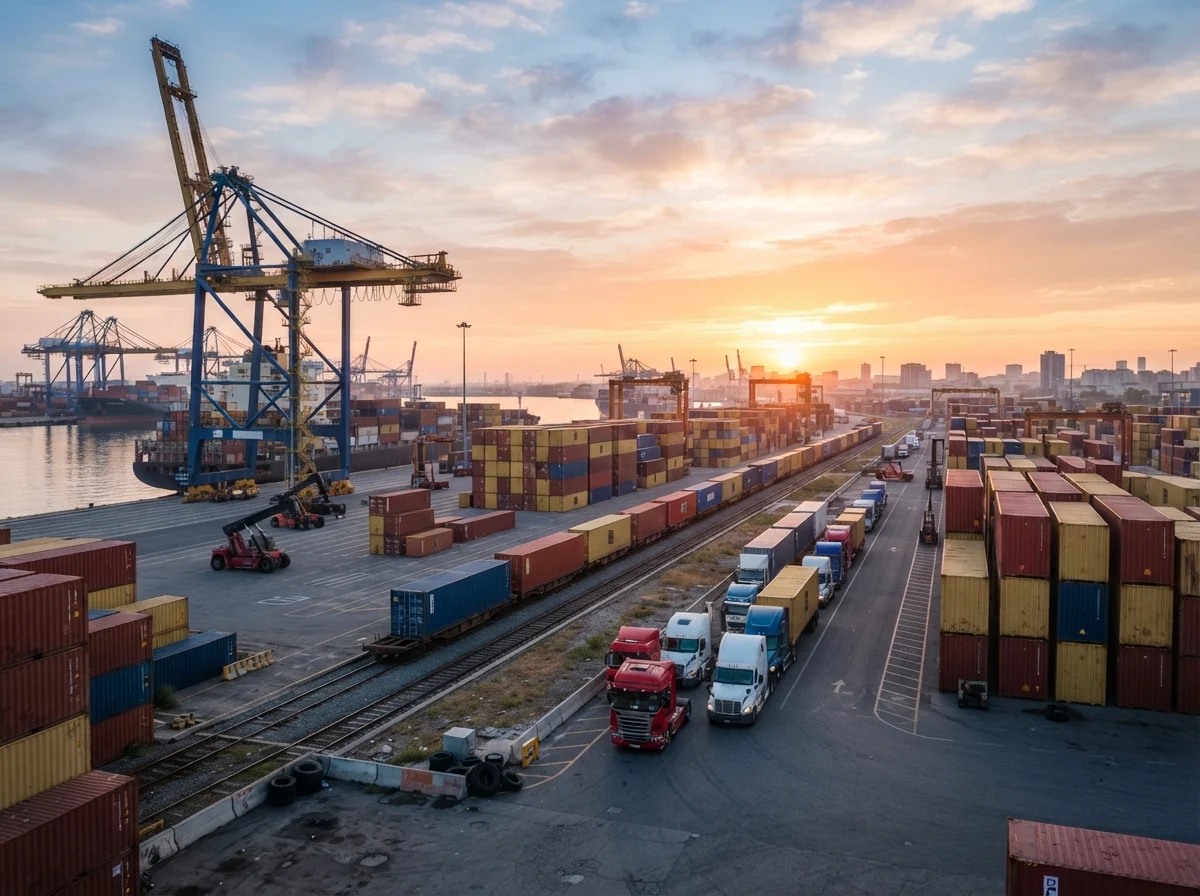
Trade between Russian speaking countries and the English speaking world moves through ports, rail yards, airports and warehouses, and every container that crosses a border carries a stack of paper. Commercial invoices, packing lists, bills of lading, certificates of origin, quality certificates, customs declarations and insurance policies must all be read by officials, bankers, carriers and buyers who may know only one of the two languages. A small error in a product description or a weight can hold a shipment at the border for days, and each day of delay costs storage fees, missed deadlines and goodwill. Careful Russian to English translation of trade documents keeps goods moving, because every party in the chain sees the same facts in the language it works in. This article describes the documents that matter most for exporters and importers and the habits that keep a translation project fast and accurate.
Commercial invoices, packing lists and customs declarations
Customs officers compare the invoice, the packing list and the declaration line by line, so these three documents must agree on product names, quantities, weights, values and codes. Russian product descriptions often use technical terms and abbreviations that do not match English trade vocabulary, and a translator without experience in logistics may choose a general word where customs expects a precise one. Companies that order russian to english translation services for shipping papers should supply the tariff codes, the agreed product names and any earlier customs entries, so that the vocabulary stays identical from one shipment to the next. Numbers, dates and units need a second check by a person who knows the goods, because a misplaced decimal separator or a swapped date format can change the value of an entire consignment.
Contracts, incoterms and payment terms
Sales contracts define who pays for freight and insurance, who carries the risk at each stage and what happens in case of delay or damage. The Incoterms rules provide short codes for these duties, and they must be kept exactly as written in both language versions. Payment terms such as letters of credit, advance payments and retention amounts require extra care, since banks examine documents strictly and refuse anything that does not match the credit terms. Our article on Russian to English translation mistakes lists errors that often delay official procedures, and many of them also appear in trade documents. Agree which language prevails in a dispute and have a lawyer review any contract of real value.
Certificates, quality papers and technical files
Many goods cannot cross a border without proof that they meet safety, health or quality rules. Certificates of origin, phytosanitary certificates, veterinary documents, laboratory reports and conformity declarations contain formal wording, stamps and reference numbers that must be reproduced exactly. Technical data sheets and instructions describe materials, tolerances and operating conditions, and a wrong term can lead to a rejected delivery or a safety incident. Ask the translator to describe stamps, signatures and handwritten notes in brackets, keep the layout close to the original and flag any text that is unreadable. Authorities may ask for a certified translation, so check the rule of the destination country before you order.
Banks, insurance and logistics partners
Freight forwarders, shipping lines, insurers and banks each use their own forms and expect precise language. Bills of lading, delivery notes, cargo insurance policies and claim reports decide who pays when something goes wrong, so they should be translated by someone who understands the terms of transport and liability. Keep a shared glossary with the names of ports, terminals, vessels and consignees as they appear on official papers, and use it for every shipment. Clear, consistent documents help partners process orders quickly, resolve disputes fairly and keep costs under control.
Working efficiently with a translator
Trade moves fast, and translation must keep up. Send complete files in editable format when possible, and use scans of high quality for stamped papers. Agree on a deadline that matches the shipping schedule, name a contact who can answer questions and ask for a review by a second linguist on high value shipments. Store approved translations of recurring documents, such as standard certificates and general terms, so that new shipments start from reliable text. A short briefing at the start of each project costs little and prevents the delays that cost the most.
Names, transliteration and consistency
Russian names of companies, ports and people can be written in Latin letters in several ways, and trade documents often mix systems. Pick one transliteration standard for every shipment, apply it to names on invoices, certificates and customs forms and keep a record of the exact spelling used in earlier papers. Customs systems and banks match names letter by letter, so a variation between the invoice and the bill of lading can trigger questions. A short glossary kept by the shipping team prevents these mismatches and saves hours at the border.
Where to read more
For a neutral explanation of the standard trade terms that define the duties of buyers and sellers, see the Wikipedia article on Incoterms, which lists the main rules and how they allocate costs and risks.